TL;DR In a standard assured shorthold tenancy, the landlord is responsible for the drainage pipework unless the blockage results from tenant misuse — things like flushing wipes, sanitary products or nappies, or pouring cooking fat down the sink. If you're unsure who should pay, get in touch via our online contact form for advice.
Understanding responsibility in a rental tenancy Under an assured shorthold tenancy, the structure and exterior of the property — including the drains, sewers and pipework serving the dwelling — remain the landlord's responsibility to keep in repair and working order. This obligation comes from the Landlord and Tenant Act 1985 and is reinforced by the Homes (Fitness for Human Habitation) Act 2018, which requires landlords to ensure water supply and drainage are adequate and free from hazards. The tenant's duty is to use the facilities reasonably and avoid causing damage through improper use. So if a blockage stems from normal wear and tear, tree root ingress, or a pipe fault that predates the tenancy, the landlord is generally responsible for arranging and paying for the fix. If the tenant's own actions directly caused the obstruction, they may be liable for the cost of clearing it.
What counts as tenant misuse versus a landlord repair issue Tenant-caused misuse typically involves disposing of items the drainage system isn't designed to handle: - Flushing wet wipes, cotton buds, sanitary towels or tampons down the toilet. - Disposing of nappies or other absorbent hygiene products via the toilet. - Pouring fats, oils and grease down the kitchen sink, where they solidify inside the pipe. - Using excessive amounts of harsh drain-cleaning chemicals that can damage older pipework.
- Landlord repair issues, on the other hand, arise from the underlying condition of the pipework:
- Tree root intrusion from mature trees near the River Rea or the Birmingham canal network, which can penetrate joints and cause slow drainage.
- Collapsed or cracked pipework from ground movement, ageing clay pipe, or poor original installation.
- A gradual build-up of scale or sediment that develops over many years, unrelated to any one tenant's habits.
- Faults in the public sewer managed by Severn Trent Water backing up into the property.
In these cases, the landlord is obliged to arrange a repair under the repairing covenant of the tenancy agreement, liaising with Severn Trent Water if the fault turns out to sit in the public sewer.
What a tenant should do when a drain blocks When slow drainage, gurgling or a full blockage appears, it's worth trying a gentle, non-chemical approach first — hot water followed by bicarbonate of soda and then vinegar, left to sit for a short while, can sometimes shift minor organic build-up. If that doesn't help: 1. Document the issue with photos or a short video of the affected fixture. 2. Notify the landlord or letting agent in writing, describing the problem and what's already been tried. 3. Avoid forceful plunging or harsh chemical cleaners, particularly on older pipework. 4. Keep a record of all correspondence in case responsibility is later disputed.
The landlord or letting agent should then arrange for a qualified drainage contractor to attend, with more urgent cases — such as a sewage backup that poses a health hazard — treated as a priority over a slow-draining sink.
How landlords and letting agents should respond On receiving a tenant's report, the landlord or letting agent needs to work out whether the blockage looks like tenant misuse or a structural issue. Useful indicators include the age and material of the drainage system, whether the same problem has recurred across different tenancies (pointing to a structural cause), and any visible external signs such as pooling water or smells near the drain run.
Where the cause isn't obvious, commissioning a CCTV drain survey before authorising any clearance work protects both sides — the tenant isn't charged for something that's the landlord's responsibility, and the landlord doesn't pay for a blockage the tenant caused. The survey also creates a record that can be referred back to if the disagreement escalates to a deposit dispute.
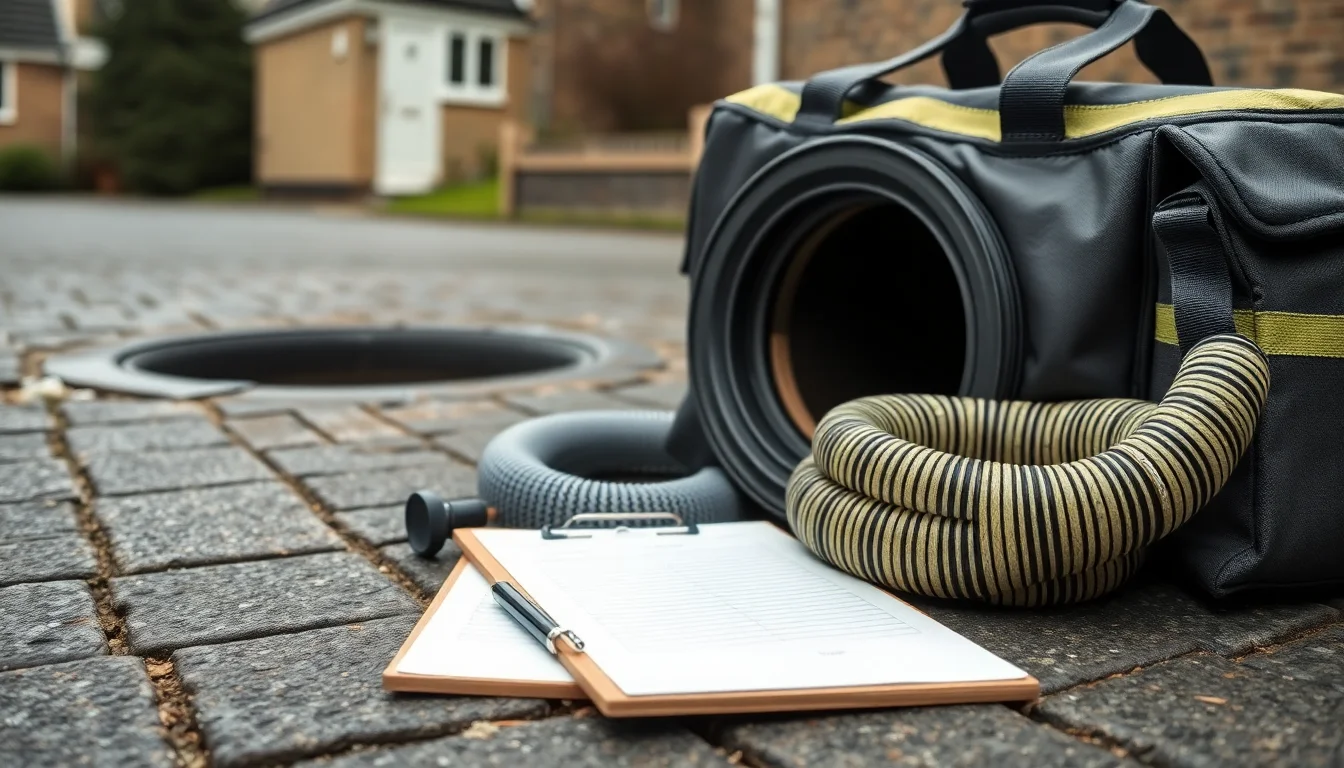
Using a CCTV survey to settle disputes over cause A CCTV drain survey involves feeding a waterproof camera into the drainage system via an access point and recording the interior condition of the pipes. The footage is assessed against the WRc MSCC5 grading system, which categorises defects from minor to severe and flags issues such as root penetration, pipe deformation or collapse.
If the survey shows root ingress, a collapsed pipe, or scale build-up that clearly predates the tenancy, the landlord is responsible for repairs under the tenancy's repairing covenant. Conversely, if the camera shows a compacted mass of wipes, sanitary products or fat at a fixture bend with no structural damage to the pipe, that points to tenant misuse — though many landlords still choose to cover routine clearance costs to maintain a good relationship with tenants. Either way, having an objective, third-party report makes any conversation — or any claim through a tenancy deposit scheme — much more straightforward than relying on conflicting accounts.
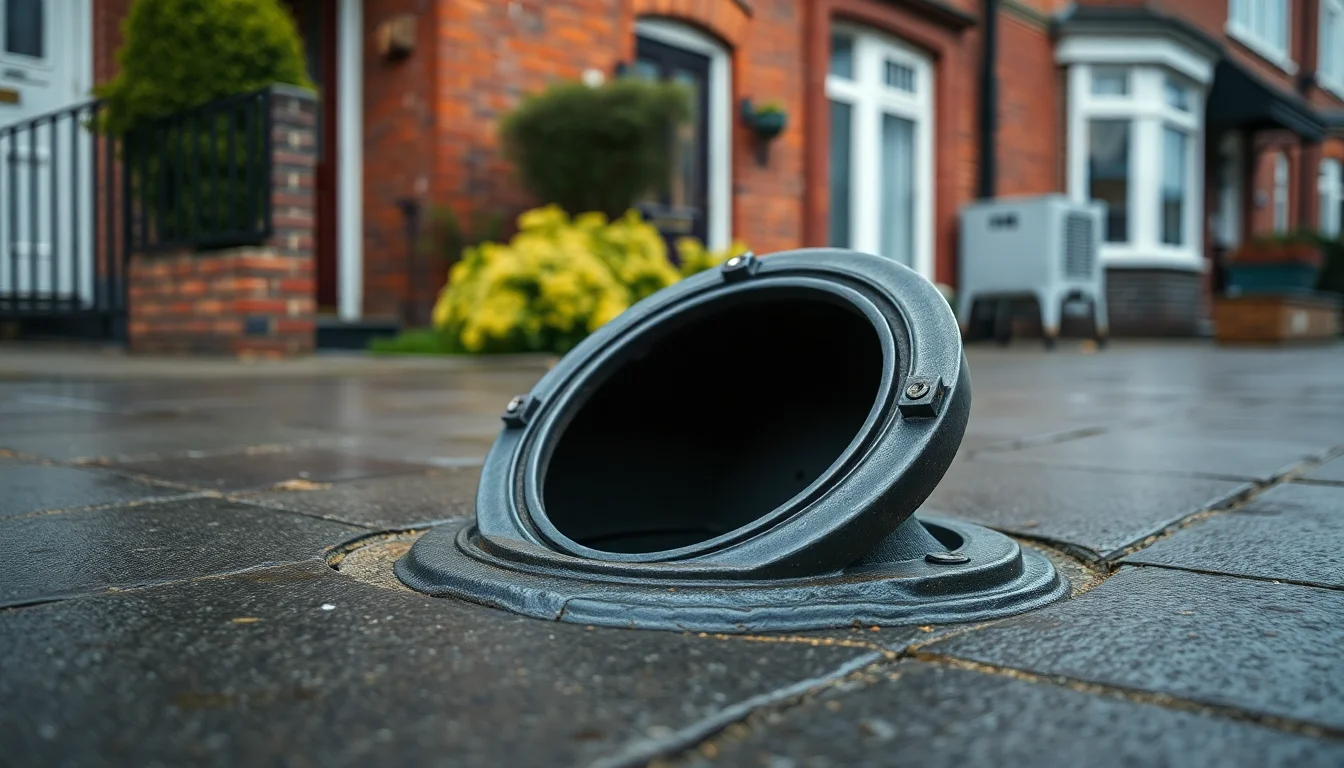
When to call in professional help Some situations call for prompt professional attention regardless of who's ultimately responsible: - A full blockage causing sewage to back up into the living area. - Persistent foul smells suggesting a dry trap or a breach allowing sewer gases to escape. - Visible water or dampness around an inspection chamber, suggesting a cracked pipe. - The same fixture blocking repeatedly despite the tenant's own attempts to clear it.
Our blocked drains and emergency drain services cover both routine clearance and more urgent situations, and you can arrange either through our online contact form — no phone call required. If the drain in question is actually outside the property boundary rather than serving the rental itself, our guide on who is responsible for a drain outside your house covers that separate question.
Frequently Asked Questions
**Does my landlord have to fix a blocked drain?** Generally yes, if the blockage is caused by wear and tear, root intrusion, or a fault in the pipework itself — this falls under the landlord's repairing obligations. It's a different picture if the blockage was clearly caused by tenant misuse, such as flushing items the system wasn't designed for.
**Who pays if a tenant caused the blockage?** If a CCTV survey or clear evidence shows the blockage was caused by something flushed or poured down a drain that shouldn't have been — wipes, fat, sanitary products — the tenant can reasonably be asked to cover the cost of clearing it. Many landlords still choose to absorb minor, one-off costs to maintain a good relationship with a tenant.
**Who is responsible for a blocked drain, the tenant or the landlord?** As a general rule, the landlord is responsible for keeping the drainage system in working order, since it's part of the property's structure and installations under the tenancy agreement. The exception is where the tenant's own actions directly caused the blockage.
**Who pays for a blocked drain in a rental property if the cause is unclear?** Where it isn't obvious whether tenant misuse or a structural fault caused the blockage, a CCTV survey is the fairest way to settle it — the graded footage shows whether the problem is a compacted mass of debris at a fixture, or a genuine defect in the pipe itself, and responsibility follows from that.