TL;DR
A drainage emergency is anything where wastewater is backing up into the property, multiple fixtures are blocked at once, or water is flooding outside faster than it can drain away — sewage backup and external flooding both fall into this category. While you wait for help, stop using water in the property, keep people and pets away from any standing wastewater, and request emergency help through the online form with a clear description of what's happening so we can prioritise the job correctly.
What Actually Counts as a Drainage Emergency
Not every blocked drain is an emergency, and it helps to know the difference so you're not waiting anxiously over something that can safely hold until a normal appointment — or, worse, under-reacting to something that genuinely can't wait. The situations that do need urgent attention are:
- Sewage backing up inside the property — foul water coming back up through a toilet, shower drain, or downstairs WC.
- Multiple fixtures blocked at the same time — if the kitchen sink, bathroom, and an outside gully are all backing up together, the blockage is likely in a shared or main drain run rather than one isolated pipe, and it will get worse until it's cleared. This is common in Birmingham's Victorian and Edwardian terraces, where several houses were originally built onto a single shared drain run rather than each having its own connection to the sewer.
- External flooding from a drain — water surcharging out of a manhole cover, gully, or inspection chamber onto a driveway, garden, or path, especially where it's heading towards the property.
- A sudden, complete stop — going from normal drainage to nothing at all, rather than a gradual slowdown, often points to a collapse or a solid blockage that needs urgent clearing rather than routine maintenance.
A single slow-draining sink or an occasional gurgle, by contrast, is a routine job — worth booking in, but not something that needs treating as an emergency.
Sewage Backup: What It Means and What to Do
Sewage backing up into a home is the most urgent category of drainage emergency, both because of the health risk and because it tends to get worse quickly rather than resolving itself. If foul water is coming up through a toilet, floor drain, or downstairs fixture, stop using every drain in the house immediately — every flush, every basin of washing-up water, adds to the pressure in a system that's already backing up. Keep children and pets away from the affected area, and if the water has reached a room, avoid walking through it where possible. We handle these as sewage emergencies specifically because they need a different, faster response than a routine blockage.
External Flooding: What It Means and What to Do
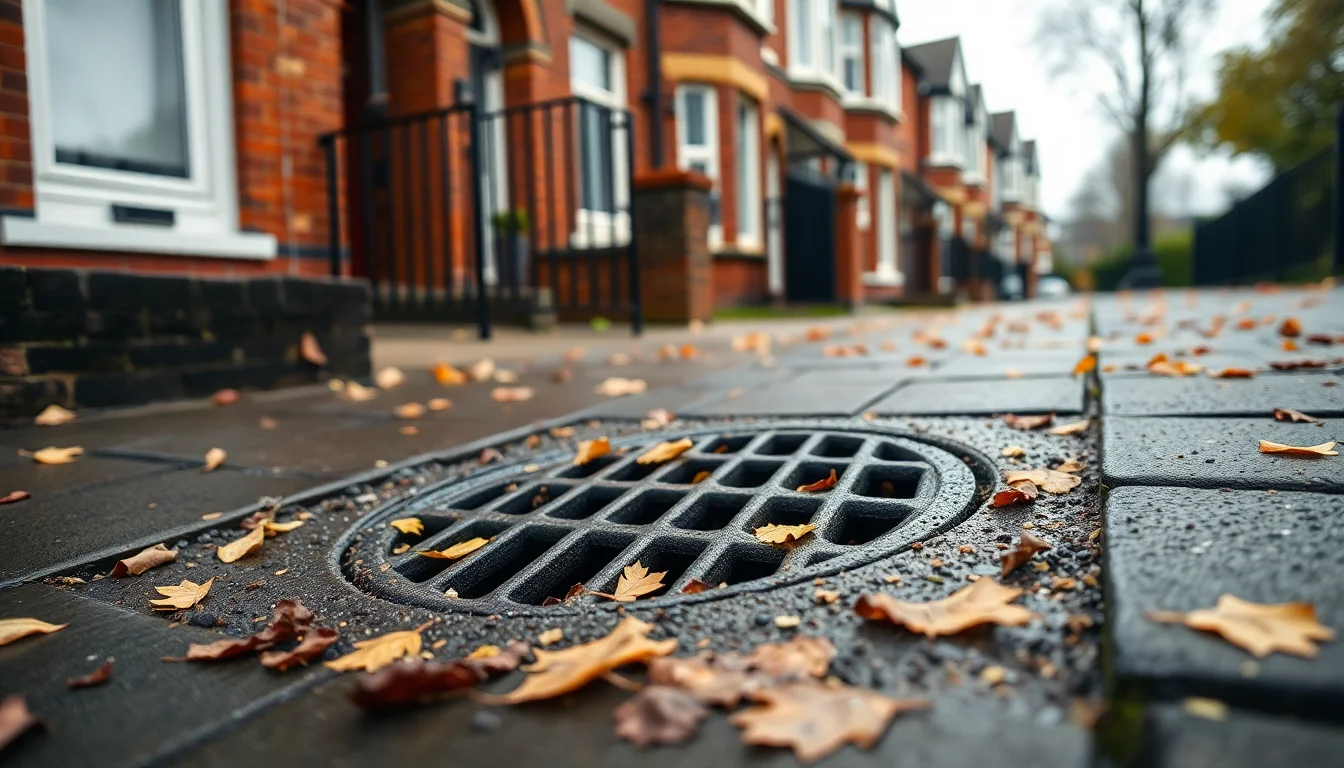
Flooding from a drain outside the property — a surcharging manhole in the garden, a gully overflowing onto a driveway, or standing water that isn't clearing — is the other main emergency category, and Birmingham sees more of it than most cities of its size. Much of the drainage under the older inner districts is combined rather than separated: the Victorian and Edwardian sewers laid under areas like Digbeth, Small Heath, Balsall Heath and Handsworth carry foul waste and rainwater in the same pipe, so a heavy downpour pushes storm water through a run that is already carrying everything the houses above it produce. When that system surcharges, the water escapes at the weakest point, and on a private property that is usually the nearest gully or inspection chamber.
The city's geography makes it worse. The River Rea runs culverted beneath long stretches of Birmingham on its way to join the Tame, and the built-up, largely hard-surfaced ground across its catchment sheds rainwater into the drainage network far faster than open land would. Properties on lower ground near the Rea and its tributaries tend to be the first to see a drain surcharge after heavy rain, and the last to see it clear.
If flooding is heading towards the property, move anything valuable away from the affected area and, where it's safe to do so, keep an eye on whether the water level is rising or holding steady. Severn Trent Water is the sewerage authority for Birmingham, so where the flooding is coming from the public sewer rather than your own drainage — a surcharging main in the street, or several neighbouring properties going at once — that is a matter for them and worth reporting alongside anything you do about your own drains. Where the problem is on your private drain run, we treat it as a flooding emergency and prioritise jobs where water is actively threatening a building.
What to Do While You Wait
There are a few sensible steps that genuinely help between reporting the problem and an engineer arriving:
- Stop using water in the property — every toilet flush, every load of washing, every basin drained adds more water to a system that's already struggling.
- Don't attempt to force a blockage with chemical drain cleaners. They rarely shift a serious blockage and can make it more dangerous for whoever clears it afterwards.
- Keep people and pets clear of any standing wastewater, indoors or out — it's a genuine health hazard, not just an inconvenience.
- If you can safely see the outside drain run, note where water is surfacing (which manhole, which gully) — it helps the engineer understand the layout before they arrive.
- Photograph the affected area if you're planning to make an insurance claim, since visible evidence of when and how badly the property flooded is useful for a claim.
Getting Help Fast
The quickest way to get a genuine emergency prioritised is to tell us what's happening through the online form — describe exactly what's backing up or flooding, where, and whether it's inside or outside the property. That detail lets us route the job correctly rather than treating every enquiry the same way. For more on handling problems in the moment, our guide on what to do when you have an emergency drain problem covers the wider picture beyond flooding and sewage backup specifically.
Frequently Asked Questions
Is a blocked drain always an emergency?
No. A single slow-draining sink or an occasional gurgle from a waste pipe is a routine job. It becomes an emergency when sewage is backing up inside the property, multiple fixtures are blocked together, or water is actively flooding outside.
What should I do while waiting for an engineer?
Stop using water anywhere in the property, keep people and pets away from any standing wastewater, avoid chemical drain cleaners, and if it's safe, note where the water is surfacing outside so the engineer has a clearer picture before arriving.
Who is responsible if the flooding is coming from the sewer?
Severn Trent Water is the sewerage authority for Birmingham and the wider West Midlands, so a surcharging public sewer — typically indicated by several properties on the same street flooding at once — is their responsibility. Blockages and collapses on your own private drain run, up to the boundary, are the homeowner's.
How do I get help fastest?
Report the problem through the online form with a clear, specific description — what's backing up, where, and whether it's inside the house or in the garden or driveway — so the job can be prioritised correctly.
Get Emergency Help Online
If you're dealing with sewage backup, flooding, or multiple drains blocked at once anywhere in Birmingham or across into West Bromwich, request emergency drain help through the online form now. See our full emergency drain services page for how we handle these situations, or our West Bromwich emergency drainage page if that's closer to you.