TL;DR
A drain interceptor (sometimes called an interceptor trap) is an older drainage fitting, common under Birmingham's Victorian and Edwardian terraces, that was built into the drain run just before it joins the public sewer to stop sewer gas and vermin travelling back up into the property. Many properties still have one even though modern building regulations no longer require them, and a blocked or damaged interceptor is a common cause of repeated flooding at the rodding-eye access point in the front garden or under the pavement. If you suspect you have one and it's causing problems, a CCTV drain survey is the way to confirm its condition before deciding what to do — get in touch online to arrange one.
What an Interceptor Actually Is
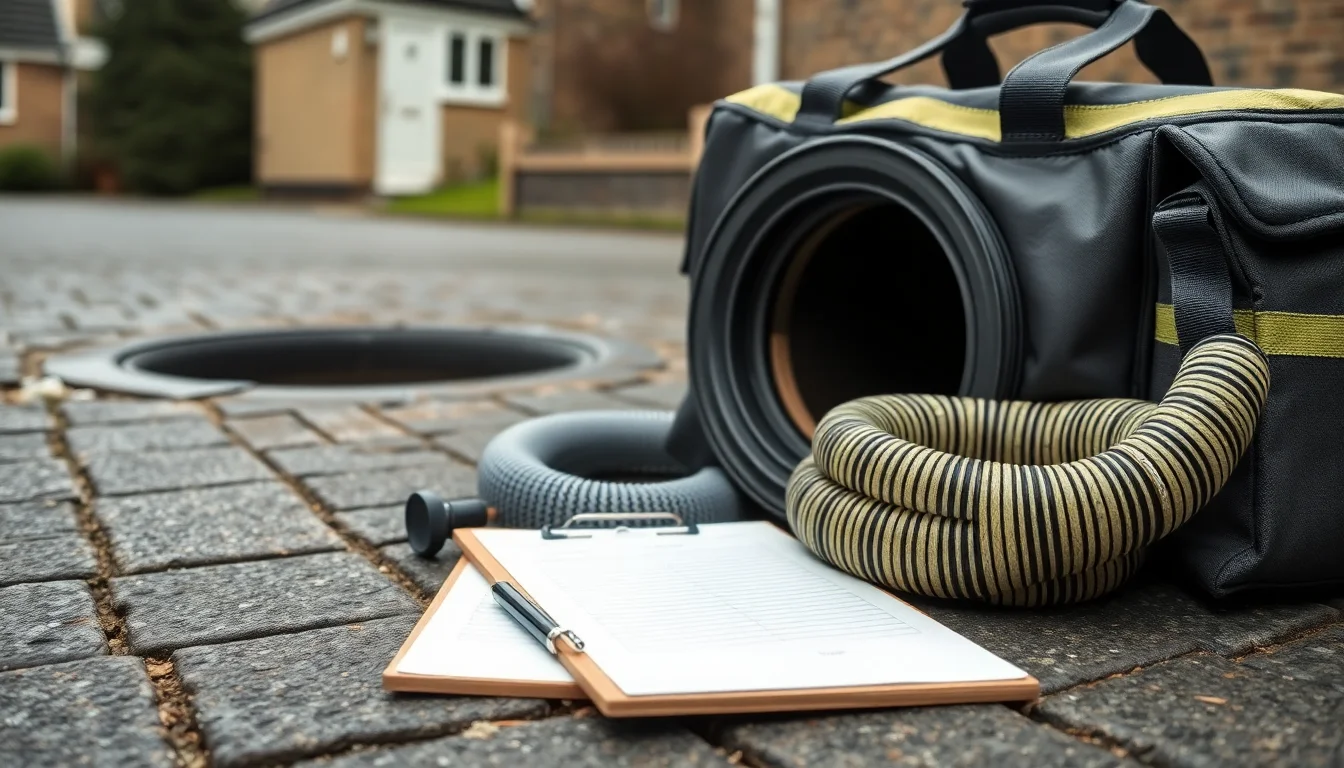
An interceptor trap is a chamber built into the drain, usually close to where a property's private drainage meets the public sewer, containing a U-bend or water seal. That seal does one job: it stops gas and odours from the public sewer network travelling back up through the pipework into the house, and historically it also helped keep rats from working their way up a drain run and into a property. To let drainage engineers clear or inspect the trap without digging it up, interceptors were built with a rodding eye — a small capped access point, often set into the ground near the boundary of the property, sometimes under a manhole cover in the front garden or just inside the pavement line.
Why So Many Birmingham Properties Have One
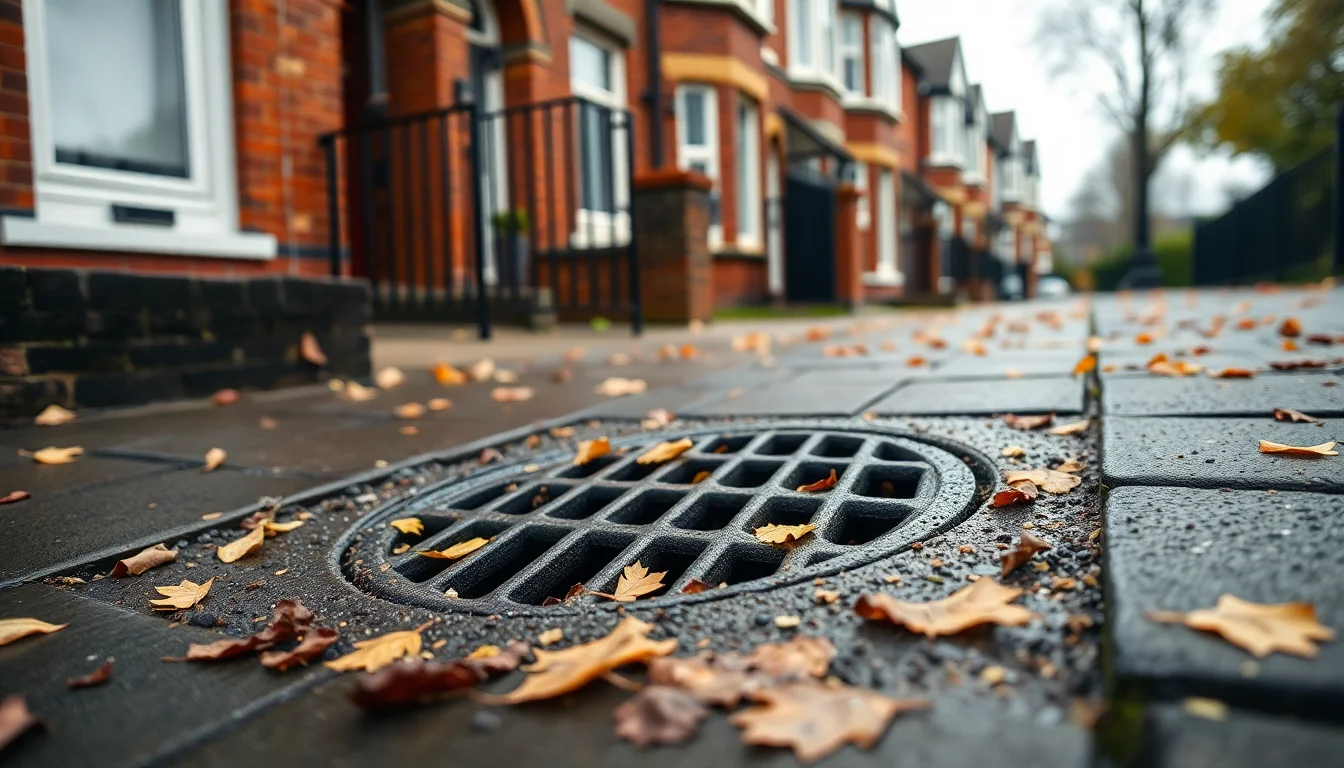
Interceptor traps were standard practice in drainage design through the Victorian and Edwardian periods and remained common well into the twentieth century, which means they turn up constantly across Birmingham's older housing stock — the dense Victorian terraces of areas like Selly Oak and Harborne, and the inner-city streets towards Handsworth and Ladywood, along with plenty of the city's Victorian-era suburbs further out towards West Bromwich. At the time these were built, individual household drains often ran into shared or combined sewer systems, and the interceptor was the standard way of protecting each property from what was happening further down the network. Newer housing generally doesn't have one at all — modern sewer design and separate foul/surface water systems have made the interceptor largely redundant, but that doesn't mean the ones already in the ground have gone anywhere.
Why an Old Interceptor Causes Problems
An interceptor is a natural place for debris to collect, precisely because it's designed to hold water and create a seal. Over decades, that makes it one of the more common points of failure in an old drain run:
- The trap itself blocks. Fat, wipes, and general debris collect at the U-bend, and because everything downstream of the house has to pass through it, a blocked interceptor can back up the whole system rather than just one fixture.
- The rodding eye becomes the release point. When an interceptor blocks, water often surfaces at the rodding-eye cover rather than inside the house — which is why a Birmingham homeowner might see repeated flooding or bubbling at a small cover near the front boundary with no obvious internal symptoms.
- Age and root ingress. In gardens with mature trees, roots can find their way into the joints around an old interceptor chamber just as they can with any other section of clay pipe, cracking the structure or partially blocking it.
- Nobody knows it's there. Many owners of older Birmingham terraces genuinely don't know they have an interceptor until a recurring drainage problem leads an engineer to find one — it's rarely mentioned in property paperwork.
If a drain keeps backing up at the same spot near the boundary of the property, an interceptor is a strong candidate, and it's exactly the kind of thing a CCTV drain survey will confirm rather than leave as a guess. We've written more generally about the early warning signs of a blocked drain if you're not yet sure what you're dealing with.
Should an Old Interceptor Be Removed?
Because interceptors are no longer required by modern drainage design and are a recognised weak point in a system, removing one is often raised as an option once a homeowner learns they have one. It can be the right call — but only once a survey has actually confirmed the layout and condition of the drain either side of it, because removing an interceptor changes how the whole run behaves and isn't something to do speculatively. Whether a property should keep, repair, or remove an interceptor also depends on who's responsible for that section of drain, since some interceptor chambers sit on or near the boundary with the public sewer network. Our guide to who is responsible for a blocked drain covers how that boundary is generally drawn.
Getting an Interceptor Checked Properly
The only reliable way to know what condition an interceptor is in — and whether it's the actual cause of a recurring problem — is to have the drain surveyed. A camera passed through the rodding eye or the nearest manhole will show whether the trap is intact, blocked, cracked, or simply worn out after a century of use, and gives an engineer the evidence to recommend clearing, repairing, or removing it rather than guessing.
Frequently Asked Questions
What is a drain interceptor and do I need one?
It's an older drainage fitting containing a water seal, built to stop sewer gas and vermin travelling back into a property from the public sewer. Modern drainage no longer requires them, but many Victorian and Edwardian Birmingham properties still have one in the ground, whether or not the current owner is aware of it.
How do I know if my property has an interceptor?
Recurring flooding or bubbling at a small cover near the front boundary, especially without matching symptoms inside the house, is a common sign. A CCTV survey will confirm it definitively.
Can an old interceptor be removed?
Sometimes, but only once a survey has confirmed the condition of the drain on both sides of it — removal changes how the whole run functions, so it shouldn't be decided without that evidence.
Get Your Drain Checked
If you've got a rodding-eye cover in the garden that keeps bubbling, or a drain that blocks at the same point again and again, it's worth finding out exactly what's underground. Book a CCTV survey through the online form and we'll tell you what condition the system is genuinely in. If you're in Harborne, see our Harborne drain unblocking page, or if you're further out towards West Bromwich, our West Bromwich blocked drains page covers the same ground for that area.